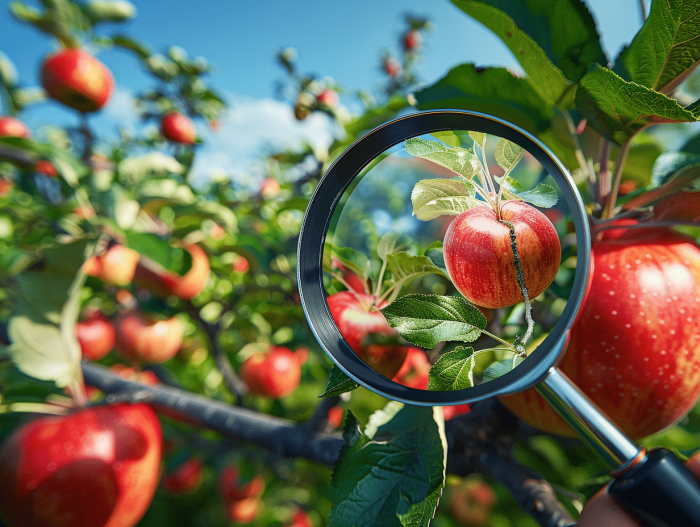
Fruit trees, jewels of orchards, are not exempt from problems that can compromise their health and productivity. Between fungal diseases, such as powdery mildew and scab, and pests like aphids and scale insects, these plants require constant attention and care. Adopting preventive methods and using appropriate treatments are essential to keep these trees healthy. Choosing resistant varieties, proper pruning, and using organic and natural products can form an integrated strategy to overcome these common agricultural challenges.
Identifying and treating diseases and pests of fruit trees
Bacterial diseases such as bacterial fire and bacterial canker manifest respectively through wilting branches and deformations of fruits, or through lesions on the bark. The fight against these conditions inevitably involves the removal of infected parts. In the case of bacterial fire, rigorous pruning is required to remove affected tissues and limit the spread of the disease. As for bacterial canker, pruning the infected parts helps to contain the sick areas and promote the healing of the tree.
In the realm of viral diseases, plum mosaic is characterized by yellow or light green spots on the leaves, affecting the aesthetic appearance and health of the tree. The treatment of these symptoms often involves the use of specific virucides, whose application must be carried out by strictly following the recommendations of experts to avoid any toxicity to the environment and consumers.
Regarding the diagnosis and treatment of diseases and pests of lemon trees, the Asian citrus psyllid remains a formidable scourge. To combat this pest, the use of appropriate insecticides or the introduction of natural predators such as certain species of ladybugs proves effective. These biological methods respect the balance of the ecosystem while ensuring the protection of lemon trees against harmful invasions.
Let us not overlook the disease of the mirabelle plum tree, often less publicized but no less concerning for producers of these golden fruits. Here too, careful monitoring and early intervention with appropriate treatments are key to preserving the vigor and productivity of these trees. A thorough understanding of the symptoms and responsiveness to the first signs of infection ensure the sustainability of mirabelle plum cultivation.
Prevention and care strategies for the health of fruit trees
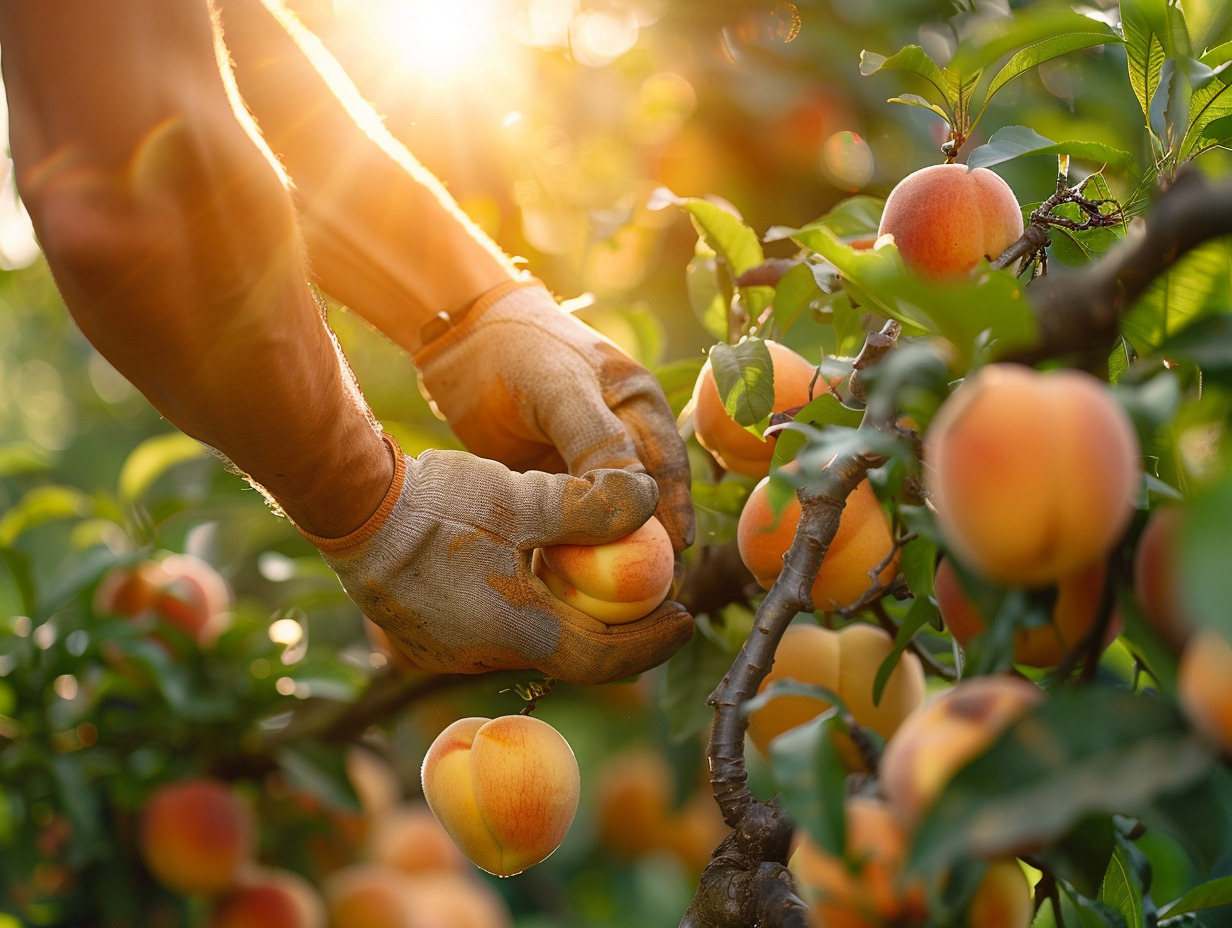
Growth problems and poor fruiting are among the common concerns of fruit growers. Often, these difficulties result from unfavorable environmental conditions or a lack of nutrients. Address these factors by improving growing conditions and ensuring a balanced fertilization to provide the trees with the essential elements for their development and productivity.
In terms of practical solutions, prevention plays a major role. Opt for disease-resistant varieties and consider crop rotation to prevent soil depletion and the spread of pathogens. These preventive methods are part of a sustainable approach and contribute to a reduced reliance on chemical treatments.
Resorting to curative treatments is sometimes unavoidable to counter established diseases. Fungicides and bactericides are useful for eradicating fungal and bacterial infections. However, the use of these products requires discernment and moderation, prioritizing the least impactful alternatives for the environment.
Preserving the health of fruit trees is a major challenge for the sustainability of orchards. Follow these prevention and care guidelines and regularly consult expert recommendations to adapt your practices to new scientific research data and changes in crop protection regulations.