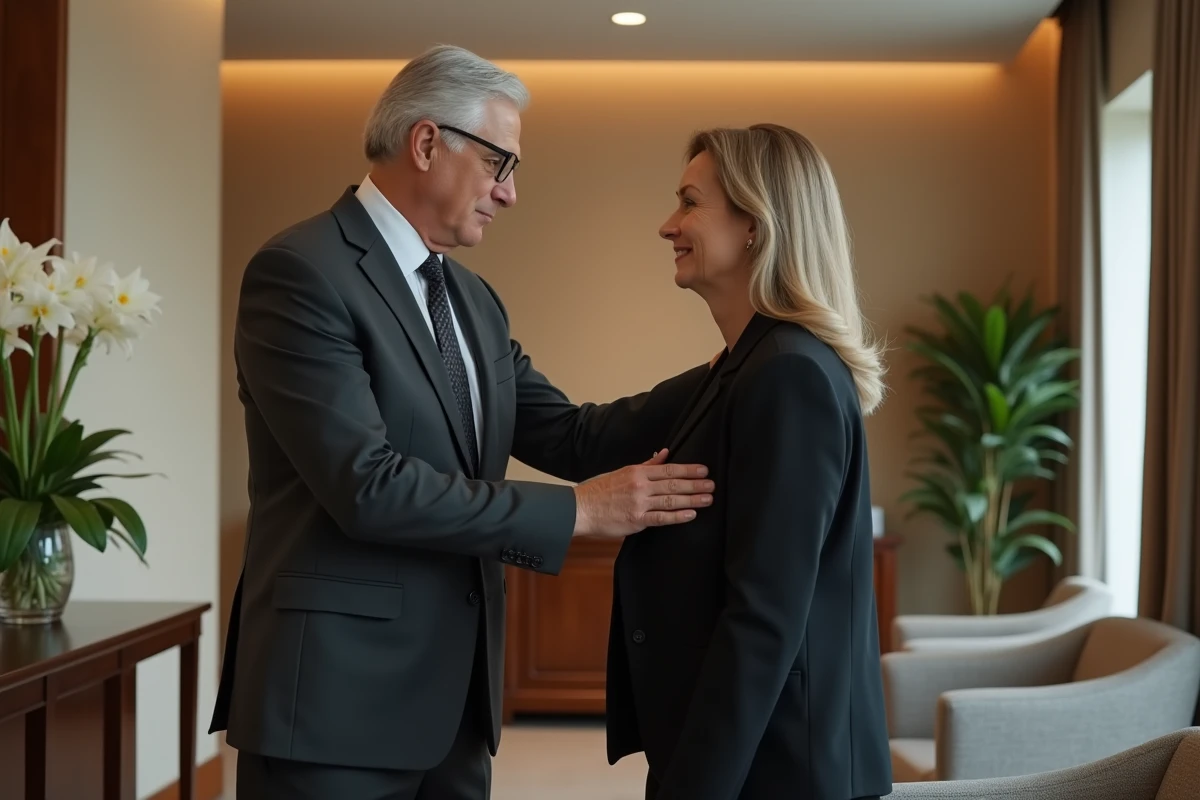
Funeral support refers to the range of services provided by trained professionals to organize the funeral of a deceased person, from the transportation of the body to the ceremony. This scope goes far beyond simple logistics: it encompasses specific regulatory obligations, time-sensitive administrative procedures, and a relational framework suited to the emotional shock of families.
Training of the funeral advisor: a recent regulatory framework
The funeral advisor is not just a coffin seller. Their role as an interface between the family, the administration, and the service providers is based on a initial training regulated by decree. Since January 1, 2023, this training includes an enhanced module on welcoming vulnerable families: the elderly, those with disabilities, and situations of violent or pediatric death.
This enhancement stems from the decree of August 30, 2022, published in the Official Journal on September 22, 2022, which modifies the content of training for funeral service personnel. A minimum part of the program is now dedicated to communication in situations of emotional shock.
In practice, an advisor trained according to this new framework knows how to adapt their vocabulary, silences, and pace of exchange to the psychological state of their interlocutor. This skill cannot be improvised, and it distinguishes a qualified professional from a well-meaning relative who might attempt to handle the procedures alone. The professionals listed on the Francoeur org website operate within this regulatory framework that guarantees a verified skill set.
Legal obligations and deadlines after a death: what the law requires
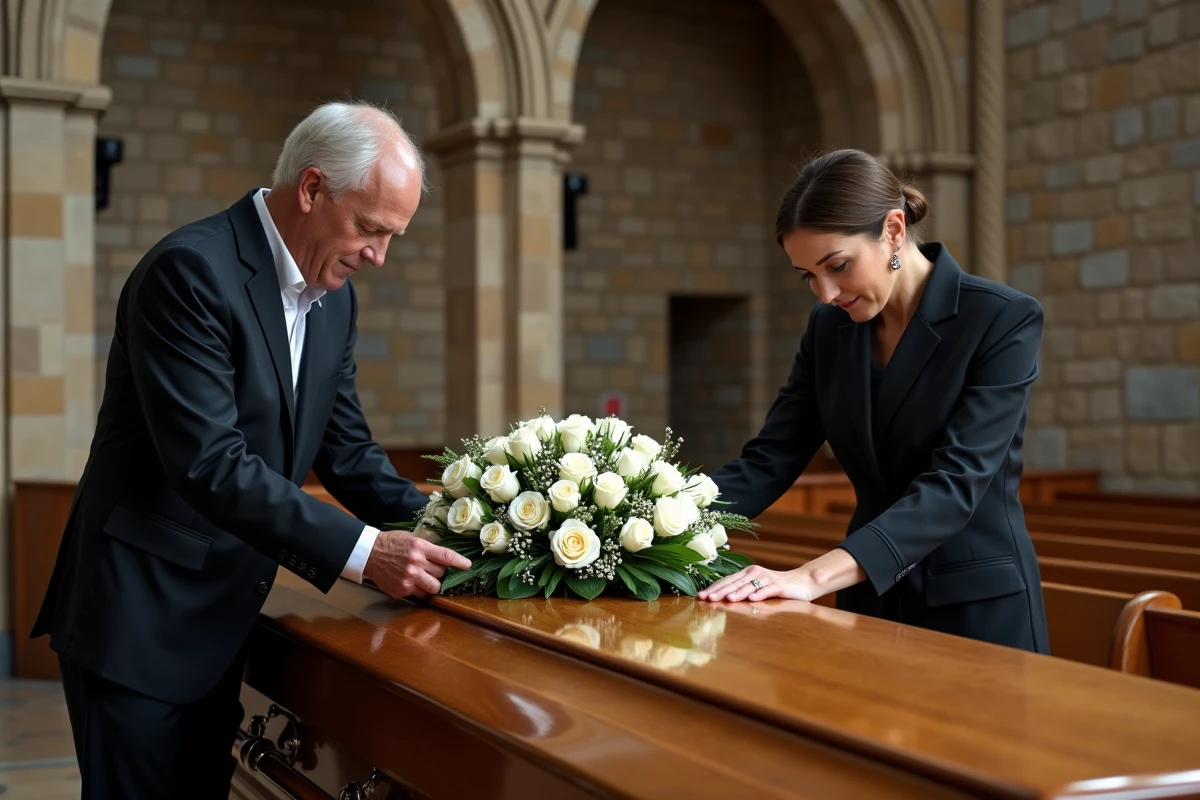
In France, the declaration of death must be made within 24 hours of the finding. Burial or cremation must occur within a regulatory timeframe from the time of death, unless there is a prefectural exemption. These time constraints turn each step into an administrative urgency.
A funeral support professional handles several formalities simultaneously:
- Obtaining the death certificate from the doctor, then declaring it at the town hall for the death record
- Requesting authorization for coffin closure, transportation of the body, and, if applicable, the cremation permit issued by the public prosecutor
- Coordinating with the place of worship or ceremony hall, cemetery, or crematorium, according to the family’s choice
- Drafting and disseminating the death notice in the press or online
Each document has its own contact person and its own deadline. An oversight or delay can push back the date of the funeral, exacerbating the distress of loved ones. The funeral advisor knows the local administrative circuits and can anticipate potential bottlenecks, especially in municipalities where ceremony slots are saturated.
Grief support and ceremony personalization
The emotional dimension of the funeral profession has long been relegated to the background. The regulatory evolution of 2022 reflects a change in perspective: the relationship with the bereaved family is now at the core of the profession.
A funeral advisor intervenes at a time when the family’s decision-making abilities are impaired by shock. Their role is to present the available options (type of coffin, nature of the ceremony, choice between burial and cremation, music, texts) without exerting commercial pressure. The personalization of the ceremony, whether it involves integrating a specific religious ritual or designing a secular tribute, relies on a dialogue that the professional is trained to conduct.
Remote support after the pandemic
Since 2020, several French funeral networks have developed remote support services: video conference meetings, phone exchanges with an advisor, electronic signing of quotes. According to the 2023 extra-financial performance report from OGF, the use of these remote appointments has significantly increased, especially for geographically dispersed families.
This format does not replace in-person exchanges during the body preparation or ceremony, but it allows for progress on logistical choices without imposing travel on distant or vulnerable relatives.

Funeral contract and funeral insurance: preparing in advance
Funeral support does not stop at the time of death. The funeral contract allows for the advance definition of the arrangements for one’s own funeral and to provision for their financing. This insurance scheme reduces the decision-making burden on loved ones on the day of death.
A professional in the funeral sector helps formalize these choices:
- The type of service desired (religious or civil ceremony, burial or cremation, place of gathering)
- The level of services (coffin range, preservation care, long-distance transport)
- The financial clauses of the contract (guaranteed capital, revaluation, insurance provider)
A well-drafted contract avoids family disputes over the deceased’s wishes. The funeral advisor, because they know the legal framework and the services actually available in their geographic area, can guide towards realistic choices rather than theoretical options.
Professional journey in the funeral sector
The profession of funeral advisor attracts a variety of profiles: career changers, backgrounds from the medical-social field, initial training in management. Access to the profession requires a specific diploma and practical training in a funeral home. The funeral sector, often perceived as stagnant, has significantly evolved in recent years due to the combined effects of regulation, digitization of services, and a growing demand for personalization of ceremonies.
Engaging a trained and regulated professional means relying on an interlocutor capable of simultaneously managing the administrative rigor and the human fragility inherent in each death. The quality of this support is often measured afterward, when the family realizes that they were able to focus on grieving rather than paperwork.