The world of art is a field where creativity and technique meet to bring unique works to life. For those aspiring to enter an art preparatory program, the question often arises as to whether an artistic portfolio is necessary for application. While institutions seek to recruit the most innovative and talented minds, the artistic portfolio could very well be the element that makes all the difference. Analyzing the necessity of this portfolio for an art prep can prove decisive for many hesitant candidates.
Designing your artistic portfolio?
An artistic portfolio is often seen as a showcase of a candidate’s talent and creativity. But what exactly does this document contain and why is it so valued?
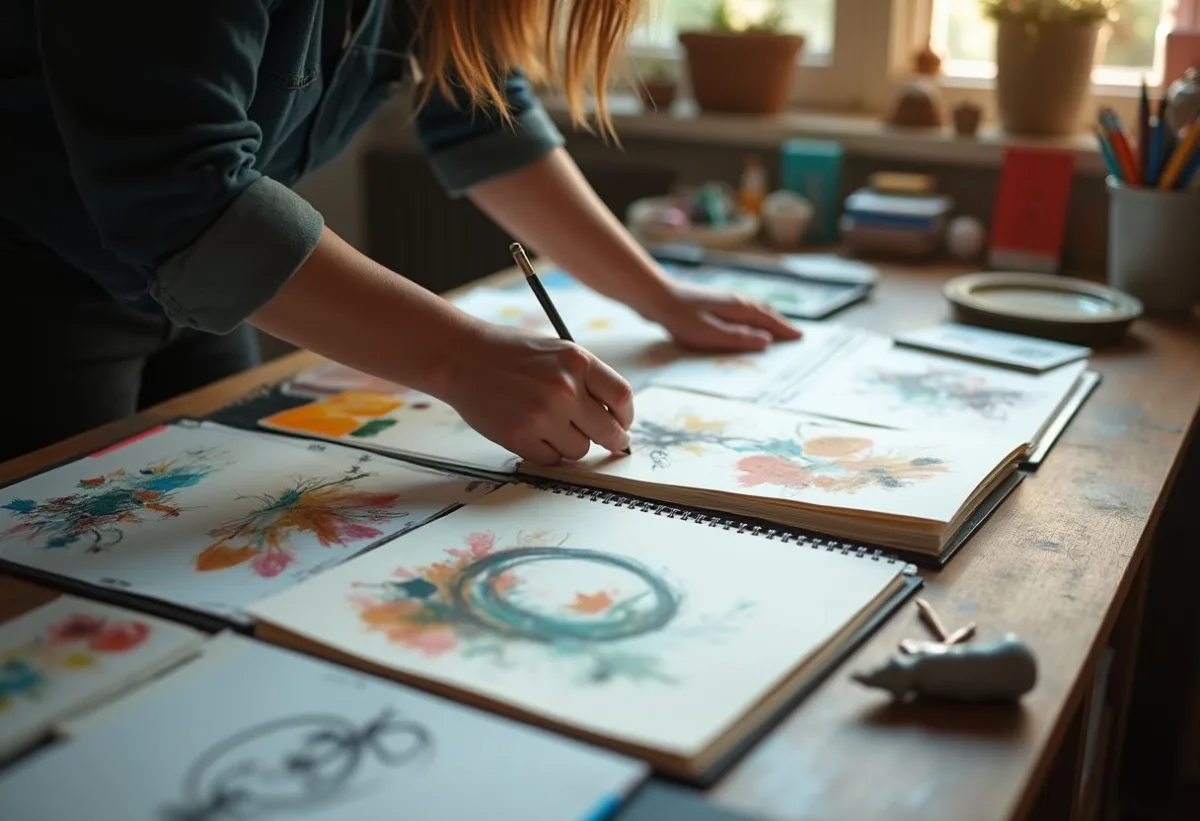
The artistic portfolio generally consists of a collection of personal works that illustrate not only the student’s technical skills but also their ability to innovate and express themselves. It may include drawings, paintings, sculptures, photographs, or any other artistic medium. Each piece should be carefully selected to demonstrate the diversity and depth of the candidate’s talent.
- Careful presentation: a well-presented artistic portfolio makes a strong impression. Use a clear and professional format.
- Selection of works: choose works that showcase your personal style and varied skills.
- Explanations and contexts: include captions or descriptions for each piece to guide the jury through your creative process.
The advantages of an artistic portfolio for the candidate
Having an artistic portfolio may seem tedious, but what real benefits can it bring to aspiring art students?
Firstly, a richly artistic portfolio reflects a strong personal involvement and commitment to art. It also demonstrates an ability to follow a project from start to finish, through the creation of finished pieces. Secondly, it allows candidates to stand out from others in art prep by highlighting their uniqueness and artistic vision. Finally, the process of compiling the portfolio can enrich the candidate, sharpening their critical eye on their own work.

The requirements of art schools
Art schools may have specific criteria regarding the artistic portfolio. Understanding these requirements is crucial for preparing a successful portfolio.
- Research the institution: each art school has its own expectations. Inquire about the specific criteria for the one you are applying to.
- Adaptability: create a portfolio that meets the specific expectations of the schools while showcasing your personal touch.
- Consult alumni: asking former students can provide valuable insights into what juries are really looking for.
Is the artistic portfolio mandatory?
While some may consider the artistic portfolio optional, is it really an absolute necessity for entering an art prep?
The answer may vary from one institution to another. Some schools require a portfolio as a key component of the application. Others may be satisfied with an interview or an exam. However, presenting an artistic portfolio, even when not required, can demonstrate a level of initiative and professionalism appreciated by recruiters.
For those eager to embark on the adventure of art prep, compiling an artistic portfolio can prove to be an undeniable asset. Not only does it serve to showcase your skills and creativity, but it also validates your commitment to your artistic future. Even if the portfolio is not explicitly requested, it can often tip the scales in your favor.