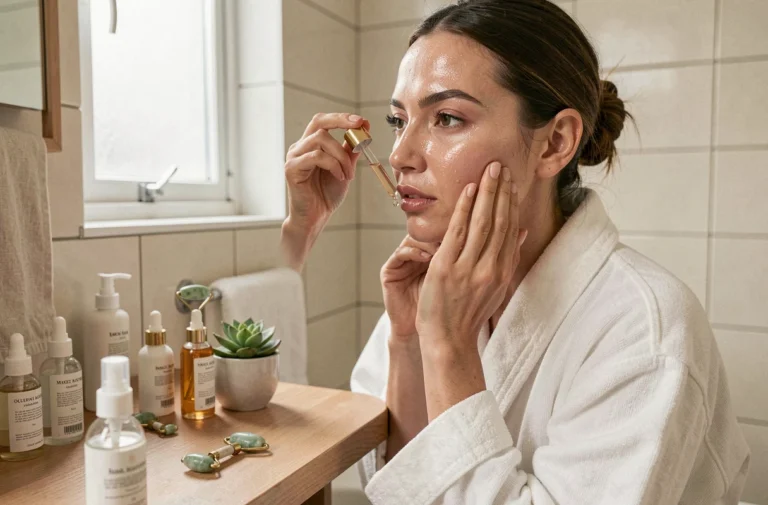
Since August 2, 2026, physiotherapists can implement the Mon Bilan Prévention program, which was previously reserved for other health professionals. This expansion, formalized by an order dated July 28, 2026, published in the Official Journal, concretely modifies access to personalized prevention in France. Beyond general advice on diet or physical activity, daily health prevention now involves structured programs that are covered and tailored to each profile.
Mon Bilan Prévention: an underutilized program that changes the game
A free appointment lasting about 30 to 45 minutes allows individuals to assess their individual risk factors with a healthcare professional. However, this program remains largely unknown to the general public.
Mon Bilan Prévention is offered at four key moments in life. It is not a standard medical check-up. The exchange aims to identify specific risks and to build a personalized prevention plan.
This plan can cover topics rarely addressed in general health guides: up-to-date vaccinations, age-appropriate screenings, sexual health, substance use, and sleep disorders. Additional information on these topics is regularly updated on the msmedical.net health website, which gathers resources by domain.
The appointment is covered 100% by Health Insurance or MSA, with no upfront costs for insured individuals. This total free service remains little known, even though it removes the main financial barrier to prevention.

Physical activity and disease prevention: what recommendations don’t always say
The physical activity guidelines issued by health authorities set a weekly volume of moderate intensity. These thresholds are useful as a goal, but regularity matters more than total volume.
A person who walks every day gains more benefit than someone who concentrates the same amount of time into two intensive sessions on the weekend. The body responds to frequent demands with metabolic adaptations (insulin sensitivity, blood pressure) that fade after a few days of inactivity.
Sedentary behavior as an independent risk factor
Sitting for several hours in a row poses a risk independent of any physical activity performed otherwise. In other words, exercising in the morning does not compensate for eight hours of uninterrupted sitting.
Active breaks (getting up, walking for a few minutes) engage different mechanisms than those activated by a sports session. Both are complementary, not interchangeable.
Sleep and mental health: two pillars still treated separately
Traditional health advice addresses sleep in terms of duration. Mental health, on the other hand, is often reduced to stress management. Treating them separately, as two checkboxes, overlooks their interaction.
Fragmented sleep impairs emotional regulation as early as the next day. Individuals who sleep poorly over several weeks exhibit increased reactivity to stress, decreased concentration, and irritability that perpetuates itself: stress degrades sleep, which degrades stress resistance.
What the prevention assessment can bring in this area
Mon Bilan Prévention explicitly includes sleep and mental health within its scope. The healthcare professional can guide individuals towards tailored solutions (sleep hygiene, psychological support, adjustment of habits) instead of sticking to generic recommendations.
This personalization distinguishes the program from the lists of advice found everywhere. A prevention plan built from an individual exchange carries a different weight than an article recommending sufficient sleep.
Daily nutrition: the blind spots of nutritional guides
Eating fruits and vegetables, reducing salt and sugar, drinking water: these guidelines are well-known. Their application remains difficult for reasons rarely addressed in health guides.
- The cost of fresh produce varies greatly depending on the seasons and geographic areas, making the advice “eat five fruits and vegetables a day” unevenly applicable
- Nutritional recommendations target a typical adult, without pathology or medication, which excludes a significant portion of the population
- Restrictive diets (gluten-free, lactose-free, vegan) require monitoring to avoid deficiencies that general advice does not cover
Diet tailored to an individual profile cannot be reduced to a list of foods to prioritize or avoid. The prevention assessment can serve as a starting point to identify relevant adjustments, taking into account medical history and actual lifestyle.
Hydration: a simple but contextual guideline
Drinking enough water remains a universal piece of advice. However, the necessary amount depends on physical activity, ambient temperature, and certain medical treatments. Setting a single daily volume for everyone oversimplifies a need that varies from person to person.
Screening and medical follow-up: moving from advice to action
Prevention campaigns encourage regular assessments. The concrete difficulty lies in access: appointment delays, medical deserts, lack of awareness of existing programs.
Mon Bilan Prévention has been designed to bridge the gap between recommendation and action. By expanding the list of authorized professionals (doctors, midwives, nurses, pharmacists, and now physiotherapists), the program multiplies entry points into the prevention pathway.
For individuals distanced from the healthcare system, this broader network can make the difference between advice read online and a prevention plan actually implemented.
Daily health prevention is not limited to a list of good habits. It becomes more effective when it is based on an exchange with a professional who understands the individual context. The programs exist, they are free, and their accessibility is improving with the inclusion of physiotherapists among the authorized professionals.