Body modifications such as tattoos and piercings have become very popular forms of personal expression. They often come with specific pains that vary depending on the technique used and the area of the body being modified.
Tattoos, for example, involve inserting ink under the skin using needles, which can cause sharp pain, especially in sensitive areas like the ribs or ankles. Piercings, on the other hand, involve puncturing the skin to insert jewelry, and the pain can be brief but intense, particularly for cartilage piercings.
Beyond tattoos and piercings, other practices such as scarification or subcutaneous implants also present their share of pain, often more pronounced and requiring more rigorous post-procedure care. These various forms of body modification, although often aesthetic, require good mental and physical preparation due to the pain and potential risks involved.
Pain Associated with Tattoos
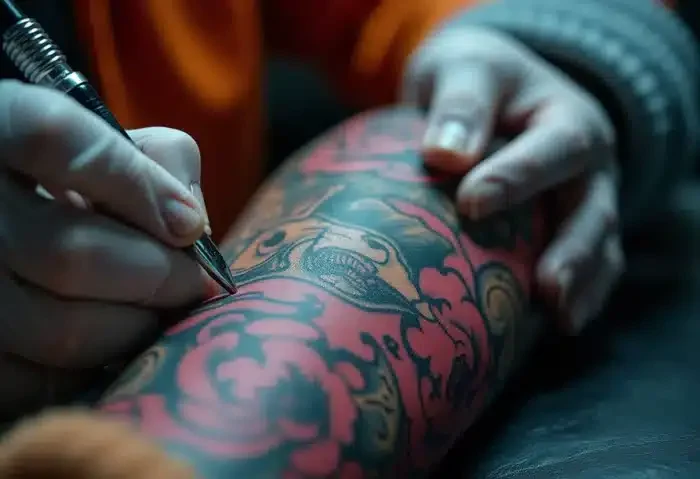
Tattooing is a design created using a tattoo machine by inserting ink under the skin. The pain experienced during a tattoo depends on several factors. The choice of body area is crucial: places where the skin is thin and close to the bones, such as the ribs, ankles, or wrists, are particularly painful.
Tattooing techniques vary and also influence the pain. The needles used for fine lines and shading differ, which alters the intensity of the pain. Color tattoos often require multiple passes of the needle, thus increasing the duration and intensity of the pain felt.
Testimonials from Enthusiasts
Take the example of Jules, a body modification enthusiast living in Bagnolet, who sports over 150 tattoos. According to him, pain is an intrinsic component of the art of tattooing. He states: “Each tattoo has its own pain threshold, but it is a mental and physical challenge that I accept and find enriching.”
Pain Compared to Other Body Modifications
While tattoos can cause prolonged pain, it is often less intense than that of certain other body modifications. For example, the piercing between the breasts, due to its location and the nerve density of the area, can cause sharp and persistent pain. Similarly, scarification or subcutaneous implants can lead to more pronounced pain and require more rigorous post-procedure care.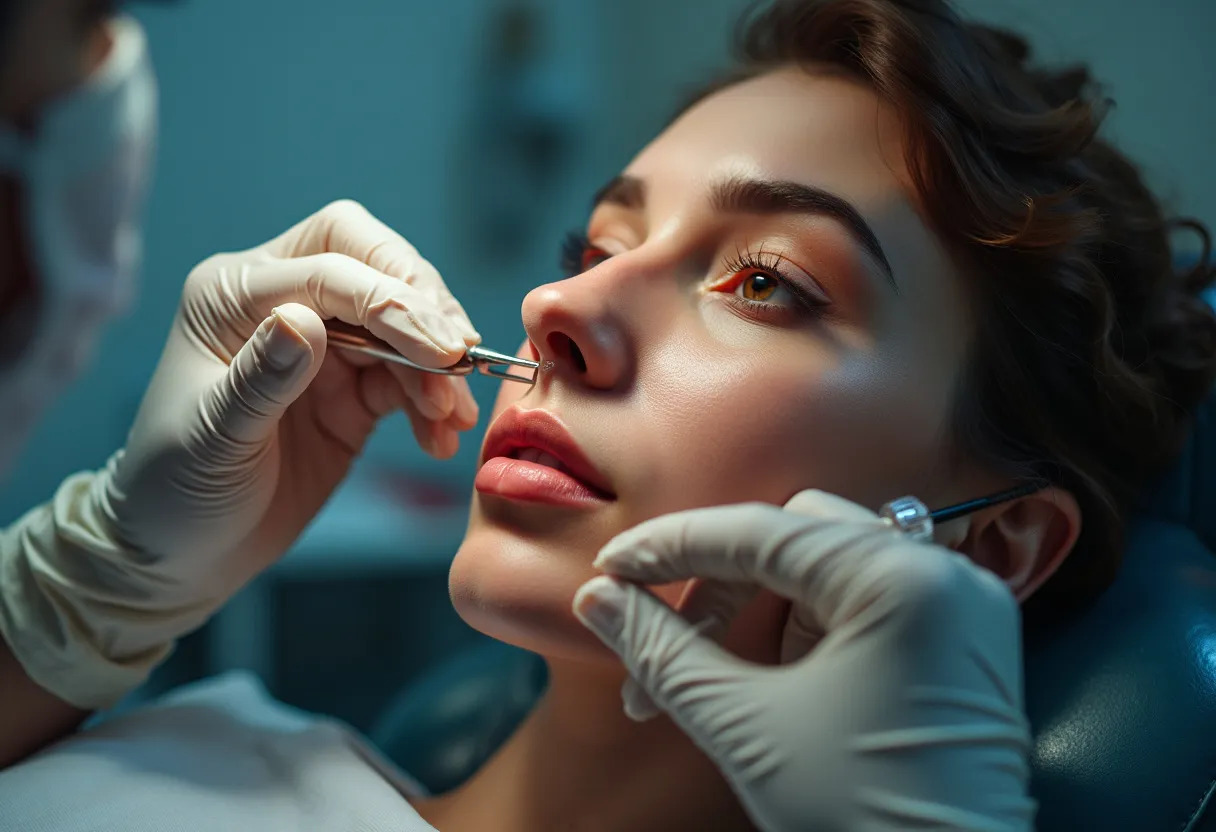
Pain Associated with Piercings and Other Body Modifications
Piercings, like tattoos, involve a skin breach. The pain felt depends on the location of the piercing and the technique used. The most sensitive areas include:
- nipples
- nasal septum
- genital areas
These areas, rich in nerve endings, can make the process particularly painful.
Other Types of Body Modifications
Beyond piercings, other forms of body modifications exist. Teeth whitening, for example, aims to lighten the color of the teeth. Although this practice is often seen as aesthetic, it can lead to extreme dental sensitivity.
Fake nails, another common body modification, require the application of artificial extensions on natural nails. Allergic reactions to the products used are common and can cause pain and infections.
Extreme Practices: Body Suspension
Body suspension is a marginal practice that involves suspending the body from hooks pierced into the flesh. This practice, although rare, is practiced in France and other countries. The insertion of the hooks causes intense pain, and the suspension itself can lead to significant physical trauma.
Excavations in Australia have revealed objects reminiscent of nasal piercings from Aboriginal tribes, while the Neolithic site of Boncuklu Tarla in Turkey has shown evidence of body modifications dating back several millennia. These discoveries demonstrate that these practices are ancient and universal.
The National Academy of Pharmacy warns against risky practices promoted on the Internet, emphasizing the need to follow rigorous protocols to minimize the risks of complications.