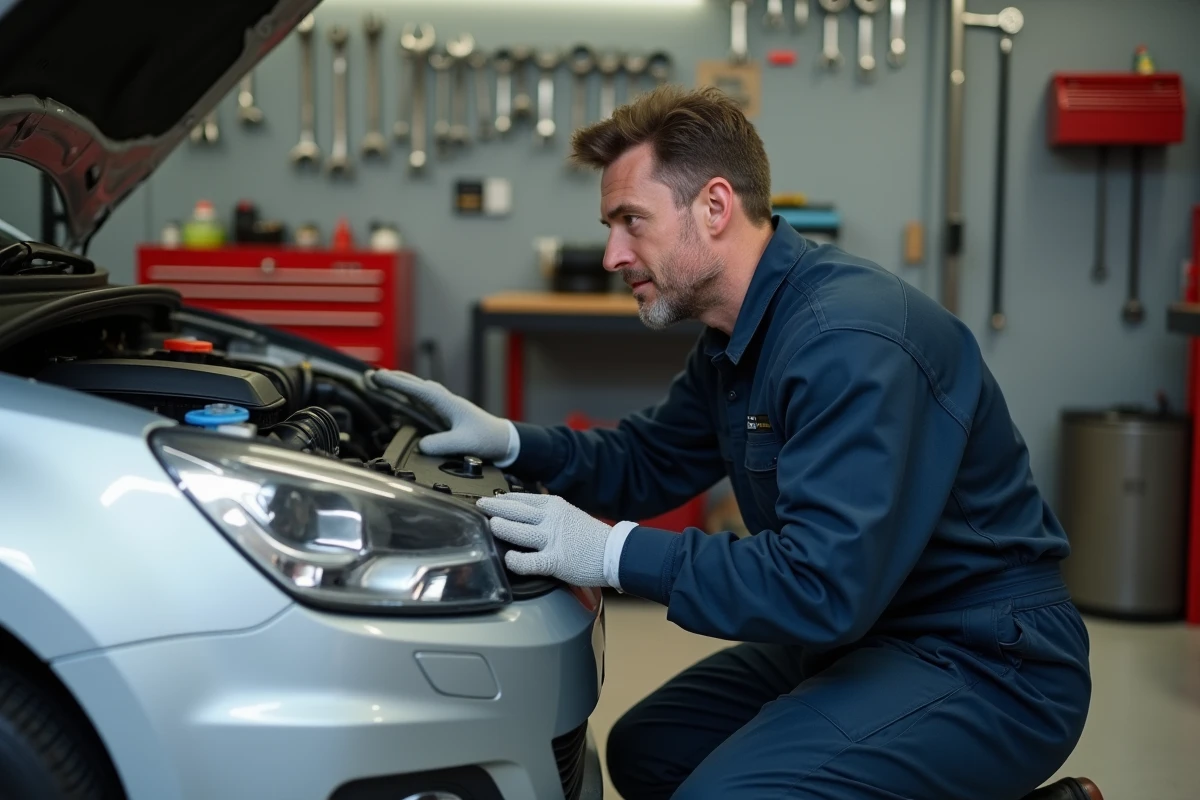
Car maintenance is no longer just about oil changes and brake pads. Recent vehicles are equipped with dozens of sensors, ADAS systems, and control units that affect both safety and resale value. Choosing and maintaining a car now requires considering mechanical, electronic, and economic parameters that traditional guides rarely address together.
ADAS Sensors and Embedded Electronics: Maintenance That Service Books Overlook
Driver assistance systems (autonomous emergency braking, lane keeping, adaptive cruise control) rely on cameras, radars, and LiDAR sensors positioned behind the windshield, in the grille, or on the mirrors. Replacing a windshield without recalibrating the front camera can render emergency braking inoperative. We observe that this point is consistently underestimated during replacements at quick auto centers.
The dashboard displays alerts that many drivers ignore or reset without diagnosis. An active ADAS warning light may indicate a dirty sensor, misalignment after a minor impact, or a missing software update. Erasing the error code without addressing the cause is akin to masking a safety defect.
We recommend including a complete reading of fault codes via an OBD-II tool in every annual service, including “memory” codes that no longer trigger a warning light. To delve deeper into topics related to vehicle choice and maintenance, it is useful to consult Sous Tous les Angles before making a purchase or maintenance decision.

Total Cost of Ownership of a Car: Beyond the Purchase Price
The list price of a vehicle represents only a fraction of the actual expense. The total cost of ownership includes insurance, fuel consumption, predictable maintenance, parts access, and depreciation. Two cars with the same purchase price can diverge significantly in the accumulated bill after a few years.
Factors That Online Comparators Do Not Cross-Reference
Insurance varies greatly depending on the model, engine type, and geographical area. A gasoline SUV can cost significantly more to insure than a similarly priced diesel compact sedan, simply because its claims rate is higher in insurers’ statistics.
Access to spare parts is often a neglected criterion. Generalist manufacturers have a dense distribution network for parts, with short lead times. For certain imported or premium models, a specific body part may require several weeks of waiting, which prolongs downtime and increases the cost of rental replacement.
- Actual fuel consumption almost always exceeds standardized consumption, sometimes significantly on plug-in hybrids used without regular charging.
- Residual value (depreciation) varies by brand, engine type, and color. Neutral shades retain their value better than atypical colors.
- Predictable maintenance costs (timing belt, clutch, high-voltage battery on a hybrid) should be factored in from the model selection stage, not discovered at billing.
Filters and Fluids: Real Intervals vs. Marketing Intervals
Extended oil change intervals set by manufacturers serve the commercial promise of low maintenance costs. Changing the oil from every year to every two years reduces the displayed budget but accelerates internal engine contamination if the usage conditions are severe.
Short city trips, repeated cold starts, and driving in traffic jams are considered “severe” conditions that degrade engine oil much faster than highway driving. For this type of use, we recommend shortening the oil change interval compared to the manufacturer’s recommendation, even if the maintenance light is not yet on.
The Oil Filter, Air Filter, and Cabin Filter
The oil filter should be replaced at every oil change, without exception. A clogged filter allows oil laden with metallic particles to circulate, which wears out bearings and rings.
The engine air filter deserves a visual inspection every six months. In rural or dusty areas, its replacement may be necessary twice as often as the standard recommendation. A saturated air filter increases consumption and reduces available power.
The cabin filter (pollen/activated carbon) is the most neglected. A clogged filter decreases ventilation flow, promotes fogging, and degrades the air quality breathed inside the cabin. Its replacement is simple and inexpensive.
Tires and Brakes: Two Areas Where Saving Money Can Be Costly
Installing budget tires on a family vehicle is a risky trade-off. The braking distance on wet surfaces varies greatly from one tire to another, and the differences between a premium tire and an entry-level tire can be measured in meters during an emergency stop.
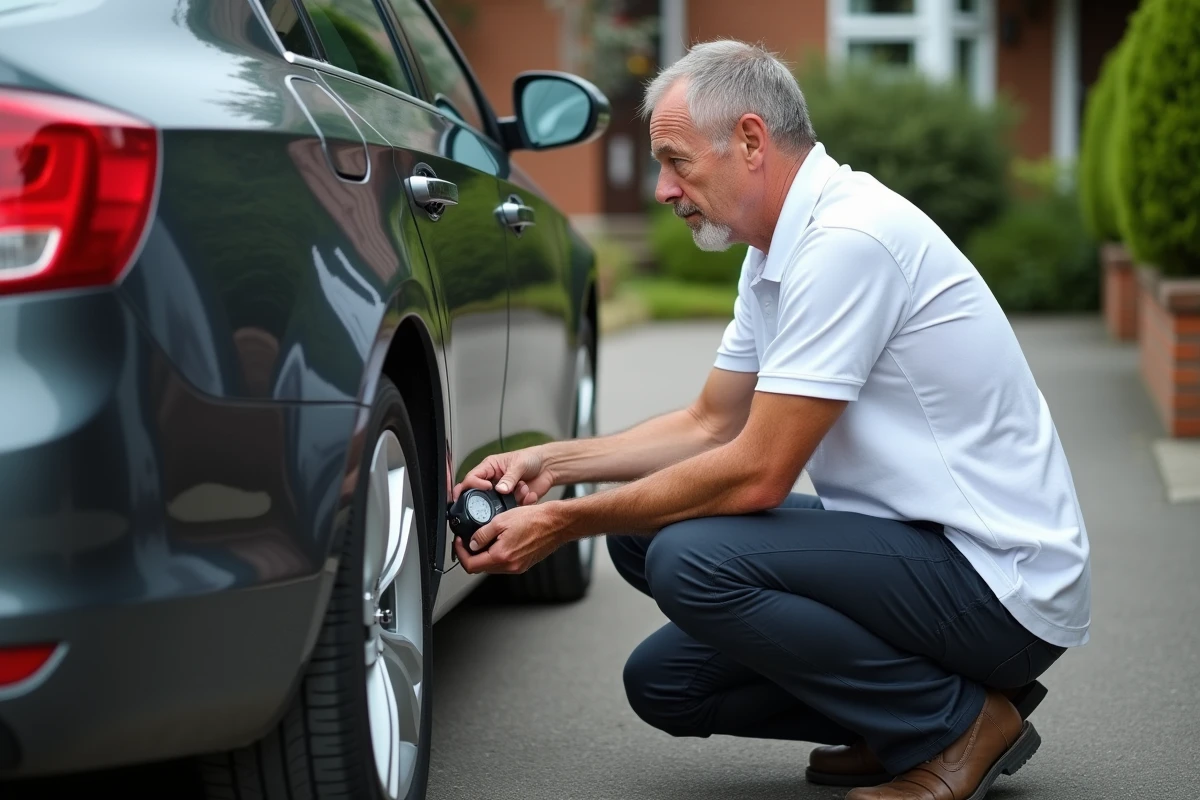
Tire pressure should be checked at least once a month, when cold. Under-inflation increases consumption, degrades handling, and causes asymmetric wear that reduces tire lifespan. Over-inflation, less common, reduces the contact surface and also lengthens braking distances.
- Rotate tires every ten to fifteen thousand kilometers to even out wear between the front axle (more stressed on a front-wheel drive) and the rear.
- Brake fluid absorbs ambient moisture over time, lowering its boiling point. Periodic replacement (generally every two years) prevents “long” braking during repeated downhill demands.
- Brake discs have a minimum thickness engraved on their face. Below this threshold, braking efficiency decreases even with new pads.
Maintaining a modern vehicle relies on a balance between traditional mechanics and electronic diagnostics. Drivers who limit their follow-up to dashboard reminders miss crucial checkpoints for safety and vehicle longevity. Cross-referencing the manufacturer’s maintenance book with actual usage conditions remains the most reliable method to control the budget and preserve resale value.