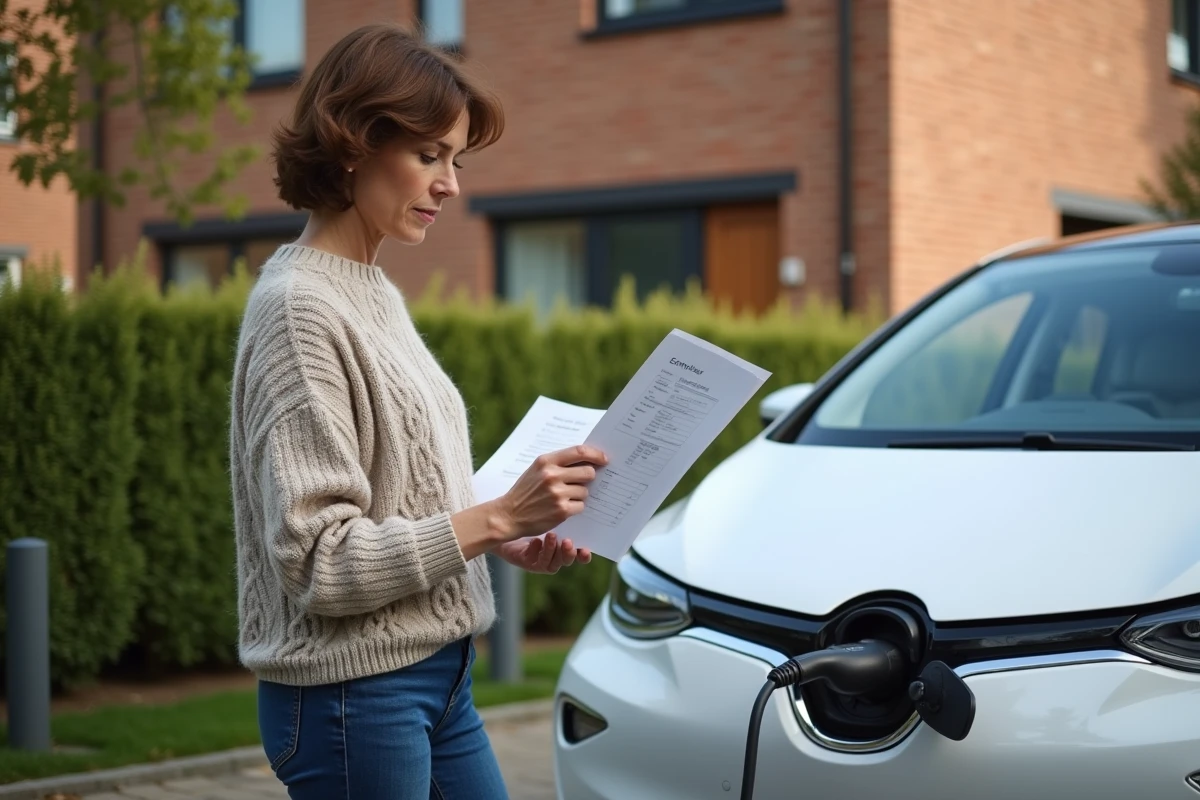
Changing your electricity contract just to charge an electric car is not a rule to follow blindly. Sometimes, the existing contract already works fine; other times, it leads to unpleasant surprises, unexpected outages, or bills that rise without warning. The rates fluctuate according to the charging time and the subscribed power: this is where everything is at stake on the monthly bill.
The choice of contract depends not only on the power but also on the chosen charging equipment and how the household consumes electricity. Some opt for options to take advantage of off-peak hours and reduce the bill, while others prefer simplicity in daily life, even if it means paying a bit more. Each option has its supporters.
Electric car at home: what are the stakes for your electricity contract?
The arrival of an electric car at home never goes unnoticed in terms of energy. Home charging can significantly increase consumption more than one might think when signing an electricity contract. Very quickly, the question of subscribed power takes center stage. If a simple reinforced socket is sufficient for occasional use, things change as soon as a charging station is installed: charging becomes fast and frequent, and the need for power increases.
It all depends on the model of the electric car, the installed station, and the charging rhythm. For daily trips, a 7.4 kW station often becomes essential, which pushes the subscribed power to 9 or 12 kVA. The chosen electricity offer directly influences the electricity bill: subscription price, cost per kWh, choice between single rate or peak/off-peak hours… every detail matters to control expenses.
Installing a station, adjusting your electricity consumption, balancing comfort and budget: everything deserves consideration. Some prioritize the base rate, while others prefer the flexibility of off-peak hours to charge at night at a lower cost. For those who want to go further and compare in detail, the EDF subscription for charging stations offers a comprehensive overview, directly linked to the page “Choose the best EDF subscription for your electric car” from 24 Actualités.
How to compare EDF subscriptions for efficient and economical charging?
Comparing a subscription to charge your electric car at home is a matter of method. Several criteria guide the choice. The subscribed power first: it determines the ability to charge without tripping the circuit. For a 7.4 kW station, you often need to plan for 9 or 12 kVA. With a reinforced socket or slower charging, 6 kVA may be sufficient.
Next is the price per kWh, which shapes the actual cost of each charge. There are three main categories of offers: the base rate (single rate), the peak/off-peak rate (reduced price at night and on weekends), or specific formulas like Green Electric Car or Tempo. To choose, one must closely examine their habits: charging volume, time slots, frequency of vehicle use.
Here are the main points to consider for a concrete comparison:
- Annual consumption: assess the number of kWh you will need over twelve months to charge your vehicle.
- Charging times: adapt the contract to the times when charging is most frequent, during the day, at night, or on weekends.
- Electricity bill: measure the impact of each pricing option on the total bill, without neglecting other household uses.
Each formula has its advantages and constraints: adaptability, pricing evolution, environmental commitment, ease of use. For more in-depth analysis, the EDF subscription for charging stations clarifies each scenario and offers comparisons tailored to all user profiles.

Installing a charging station at home: key steps and tips for properly adjusting your subscription
Installing a charging station at home opens a new chapter in terms of electricity. The qualified electrician always starts with a diagnosis of the panel to ensure everything is in order and compatible with the power of the future station. Depending on the chosen power (3.7 kW, 7.4 kW, 11 kW…), it is common to increase the subscribed power to 9 or 12 kVA to avoid outages, especially if the rest of the household is running at full capacity.
The main steps to follow for a successful installation are as follows:
- Have the electrical installation validated by a certified IRVE professional
- Choose the power most suitable for the vehicle and the household’s needs
- Bring the panel into compliance and add a reinforced socket or a station
- Configure the charging to optimize consumption and the price per kWh
The Advenir grant or the tax credit can reduce the costs of a charging station installation. A reduced VAT of 5.5% applies under certain conditions, particularly based on the age of the property. These aids are linked to the choice of electricity subscription: power, off-peak hours, monitoring consumption with a connected meter… Adjusting your contract is essential to keep control of the electricity bill related to charging a plug-in hybrid or 100% electric vehicle.
For optimal charging, the choice of kVA for charging station is made as soon as the installation project begins. It’s better to anticipate: a second vehicle tomorrow? An extension of the house? Other more power-hungry uses? At every stage, from the quote to the commissioning, it is about finding the right balance between the agility of the offer and the anticipation of concrete needs.
An electric car at home is more than a technical choice: it sets a new rhythm for the household, a way to rethink energy in daily life. Adjusting your contract, installing your station, is preparing the road: a road that is being invented, between controlling expenses and the freedom to drive electric.